The strongest domain is rarely the cleverest option in a brainstorming list. It is the name customers can hear, type, trust and remember—and that the company can continue using as products, markets and channels change.
Five tests for a durable name
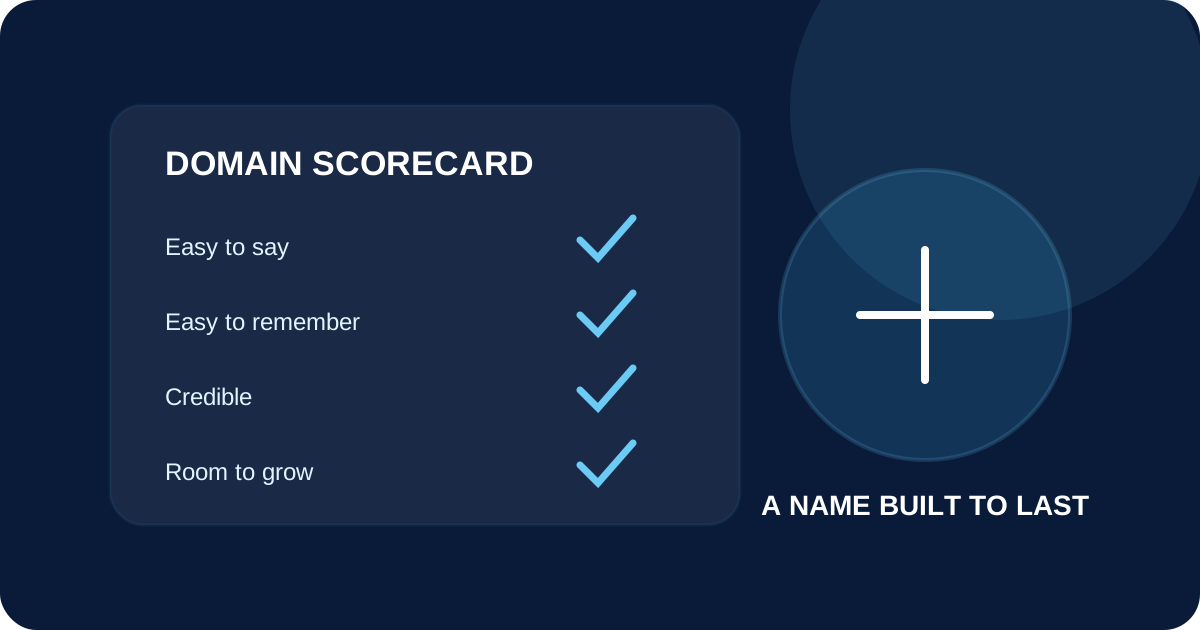
Score each candidate for clarity, memorability, distinctiveness, credibility and room to grow. A name that performs consistently across all five usually beats one that is brilliant in only one area.
- Say it aloud and ask someone to type it.
- Check how it looks in lowercase.
- Avoid unexplained hyphens and ambiguous numbers.
- Make sure it is not tied to one short-lived offer.
Match the extension to audience expectations
.com remains broadly recognizable, while country-code and sector-associated extensions can communicate market or organizational context. The best choice depends on customer expectation, eligibility and brand strategy—not a universal ranking rule.
- Use one primary domain for consistent marketing.
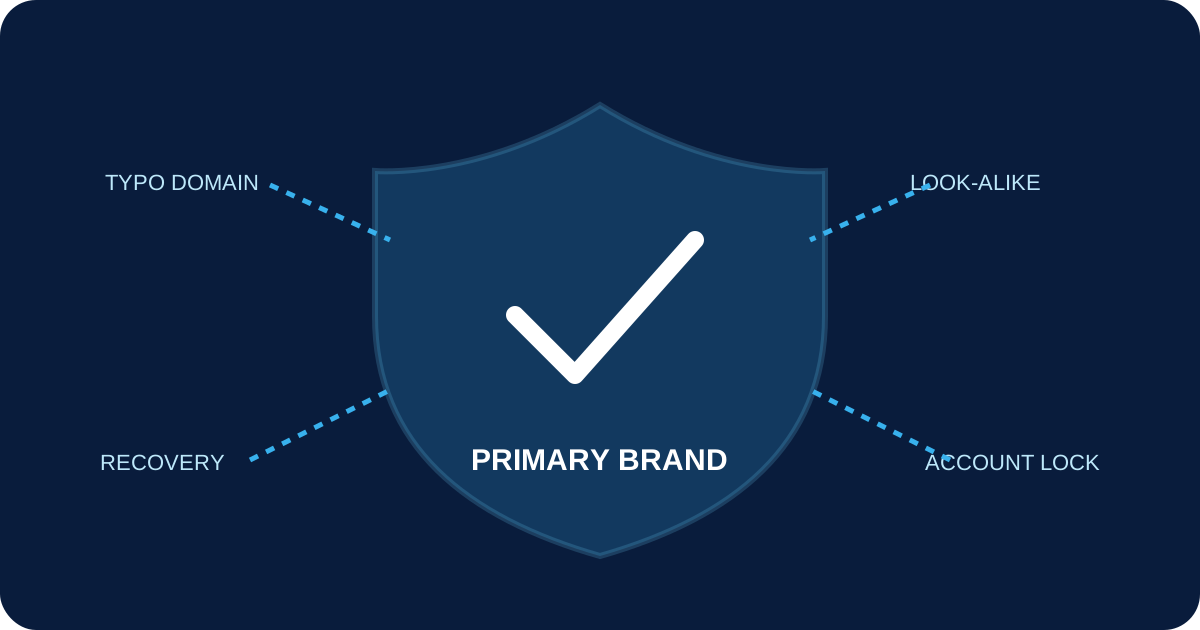
- Redirect defensive domains to the primary destination.
- Check eligibility and document requirements before committing to a restricted extension.
Check legal and operational risk
Availability is only a technical status. Search relevant trademark databases, company registers and major platforms. Also inspect previous use, email ambiguity and look-alike characters before investing in identity work.
- Search exact and phonetic variants.
- Review archived or indexed history where appropriate.
- Confirm the correct business entity will hold the domain.
Use a decision matrix, not intuition alone
Give every candidate a 1–5 score and have marketing, sales and technical owners review it. Agree on the must-have criteria first so a late preference does not override practical risk.
| Criterion | Question | Weight |
|---|---|---|
| Clarity | Can a customer spell it after hearing it? | High |
| Brand fit | Does it sound like the company? | High |
| Growth | Will it survive expansion? | Medium |
| Operations | Is it safe for email and support? | High |
Frequently asked questions
Should a domain include a keyword?
Only when it improves clarity naturally. A keyword is not worth making the name long, generic or difficult to brand.
Are hyphens always bad?
No, but they create more explanation and typo risk. Use one only when it materially improves readability or reflects the established brand.
What if the exact .com is unavailable?
Consider a credible modifier, a relevant local extension or a different brand name. Do not imitate an established name or create user confusion.