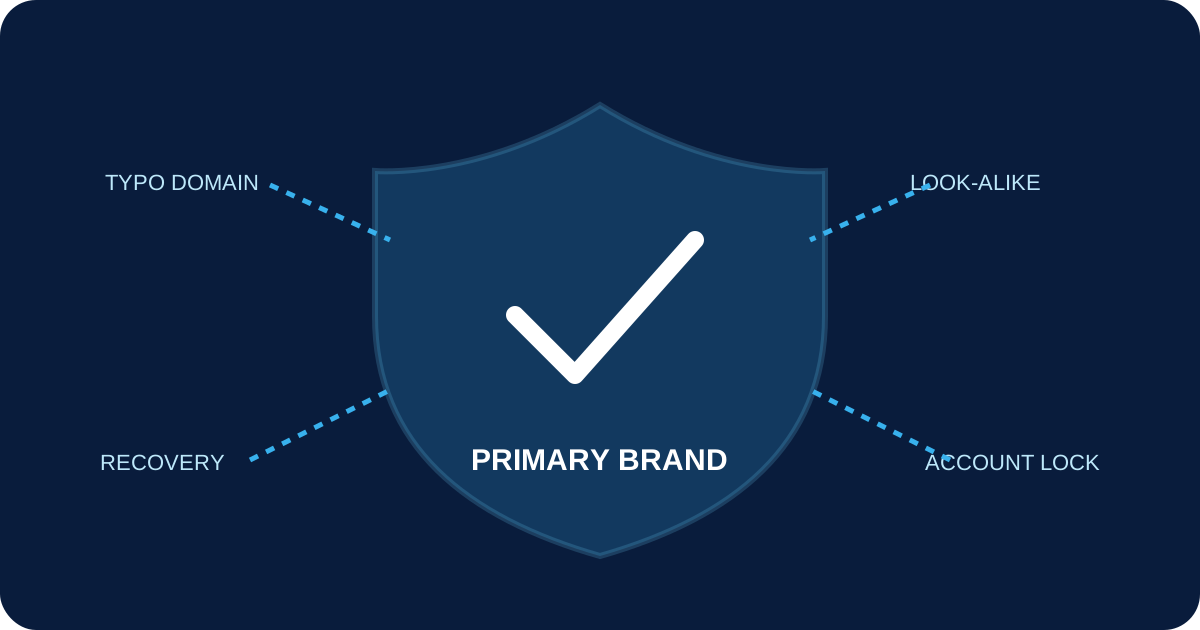
Additional domains can protect a brand and capture common mistakes, but every registration creates renewal, security and governance work. The goal is a small, intentional portfolio—not every imaginable variation.
Good reasons to hold more than one domain
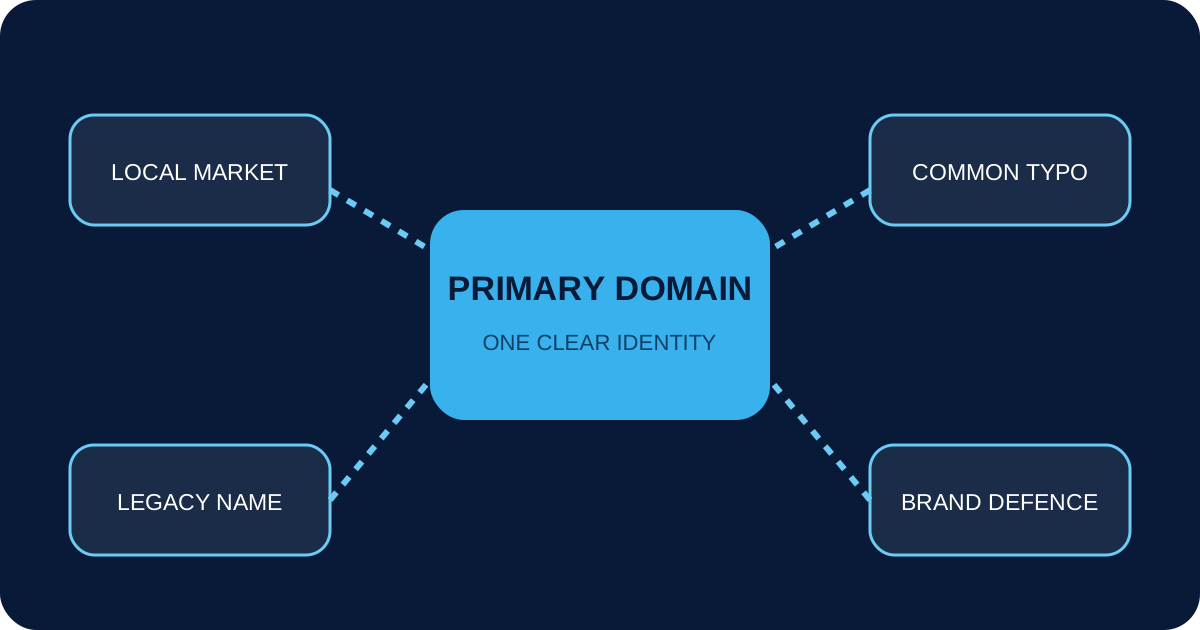
Useful secondary registrations include major market extensions, common misspellings, legacy names during a migration and names that prevent credible impersonation. Campaign domains should have a defined owner and end date.
- Protect high-risk spelling variants.
- Support countries where the business actually operates.
- Preserve old domains while redirects and email transition continue.
Operate one primary identity
Choose one canonical domain for the public site and email. Redirect secondary names to the closest relevant page rather than publishing copied sites. This keeps analytics, links and customer memory concentrated.
- Document the primary domain.
- Use permanent server-side redirects.
- Keep canonical tags and sitemaps on the primary URLs.
Control portfolio cost and risk
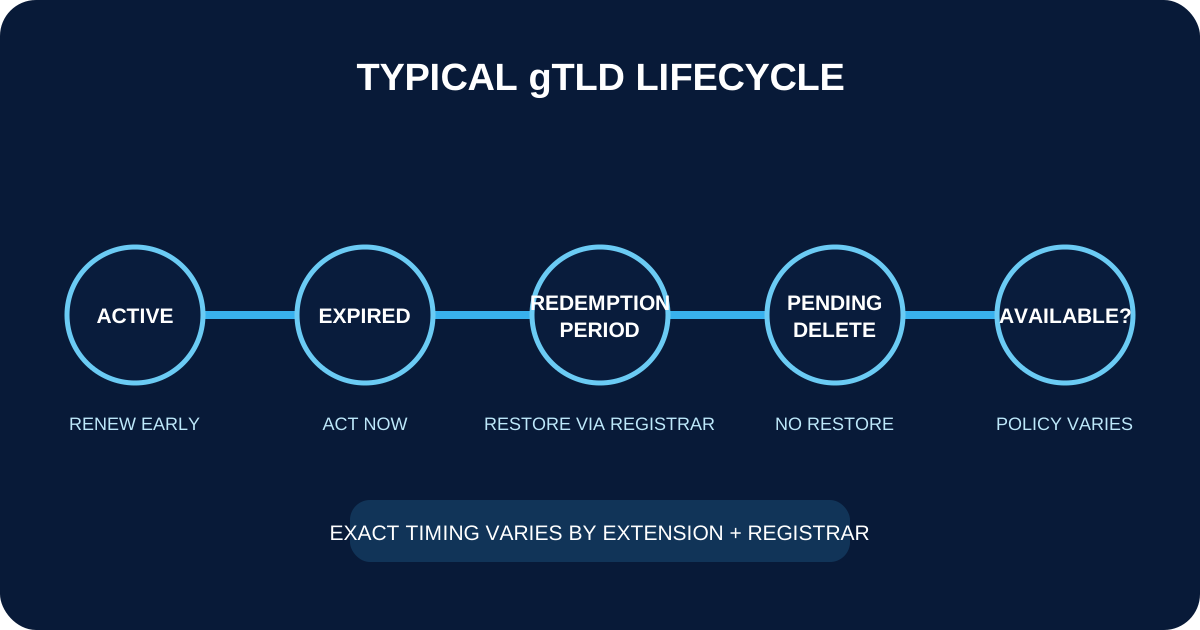
Maintain a register with owner, purpose, renewal date, registrar, DNS host and retirement decision. Review it quarterly and retire only after checking traffic, email, backlinks and legal needs.
- Centralize alerts without sharing one password.
- Require approval for nameserver changes.
- Budget using renewal—not promotional—costs.
Frequently asked questions
Will multiple domains improve SEO?
Owning domains alone does not improve rankings. Consolidate useful signals on one primary site and use relevant redirects.
Should every typo be registered?
No. Prioritize realistic confusion, abuse risk and traffic evidence rather than exhaustively buying combinations.
Can a secondary domain host a campaign?
Yes, but define why it cannot live on the primary site and plan ownership, measurement, security and retirement first.